Disclaimer: This article is informational only and does not constitute an endorsement of any platform or seller. All cross-border sourcing carries inherent financial, legal, and operational risks. Always conduct your own due diligence before placing orders.
Introduction: The Hidden Layer of Chinese Wholesale
Most sourcing guides stop at Alibaba. That is a problem.
If you are an Amazon seller, ecommerce operator, or small business buyer, you have probably noticed that everyone is fishing in the same pond. The result is price compression, saturated product lines, and a race to the bottom on margins.
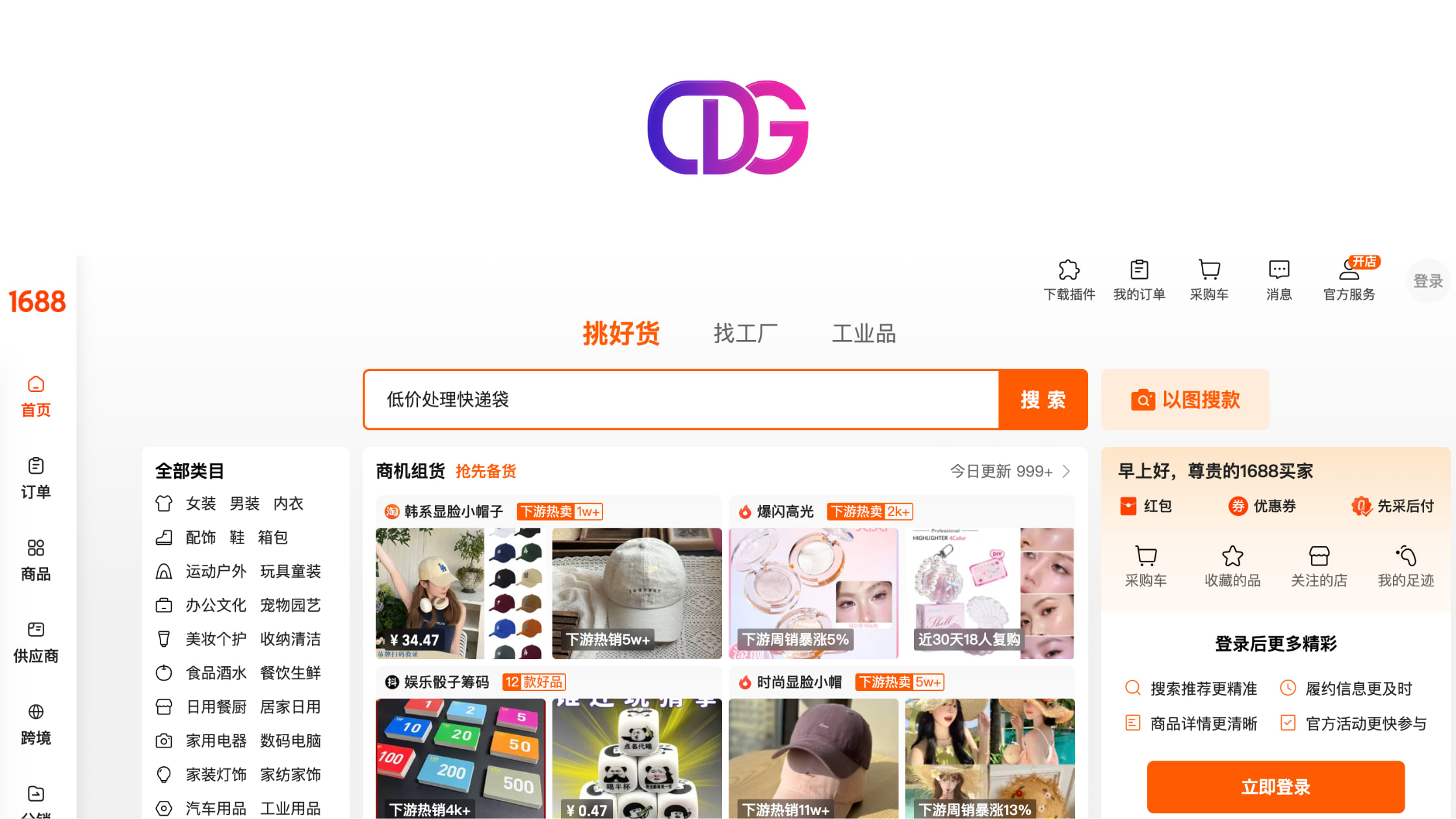
What most guides do not tell you is that China operates a parallel universe of niche B2B platforms—vertical marketplaces built for domestic buyers that happen to carry specialized inventory at prices often 15–30% below mainstream alternatives.
These are not scams. But they are not plug-and-play either.
This post delivers a site-by-site credibility audit of 7 operational niche platforms, a tiered risk ranking, and a non-negotiable due diligence checklist you can apply before placing a single order. No affiliate links. No sponsored endorsements. Just a transparent risk framework.
Operational Callout — CD Global Sourcing: International buyers operating on domestic Chinese B2B platforms face a structural gap: sellers on VVIC, YiwuGo, and Bao66 do not provide export documentation, consolidated warehousing, or independent quality control. CD Global Sourcing closes this gap by managing localized warehouse consolidation, third-party QC inspections, and cross-border export documentation that domestic sellers refuse to provide. Without this infrastructure, you are buying blind.
The Universal Truth About All 7 Platforms
Before we dive into individual sites, understand this baseline: every platform on this list is a domestic Chinese B2B marketplace first. They were not built for international importers. That single fact determines every risk profile below.
What This Means in Practice:
| Factor | Mainstream Platforms (Alibaba, Made-in-China) | Niche Domestic Platforms |
|---|---|---|
| Language | English-first interfaces | Mandarin-only or limited English |
| Seller Support | Dedicated international sales teams | Domestic-focused communication |
| Payment Protection | Escrow, Trade Assurance, dispute arbitration | Minimal or no cross-border escrow |
| Logistics | Integrated freight forwarding, customs support | Buyer manages 100% of export logistics |
| Compliance | Export documentation assistance | No import compliance support |
Universal Baseline Risks (Applies to Every Site):
1. Platform legitimacy ≠ seller reliability. A well-funded platform can still host unreliable vendors. 2. Most sellers are trading companies, not factories. "Factory direct" claims require independent verification. 3. Buyer recourse for cross-border disputes is minimal. Domestic dispute resolution rarely extends to international buyers. 4. Quoted prices exclude the full landed cost. International shipping, duties, customs clearance, and VAT are your responsibility.
Key Misconception to Avoid: Cheaper unit prices do not automatically mean better profit margins. Factor in agent fees, consolidated shipping, quality rework, and potential write-offs from unvetted suppliers.
True Landed Cost Comparison: Mainstream vs. Niche Domestic Platforms
The unit price on a niche domestic platform is rarely the number that matters. Below is the full cost stack you must calculate before comparing any platform.
| Cost Component | Alibaba / Mainstream B2B | Niche Domestic Platform (VVIC, YiwuGo, Bao66, etc.) |
|---|---|---|
| Ex-Works Unit Cost | Baseline market rate | 15–30% below Alibaba baseline |
| Buying Agent Commission | Optional (0–5% if used) | Mandatory: 5–10% — required to access, negotiate, inspect, and pay on domestic platforms |
| Inland Domestic Logistics | Usually included or transparent | Buyer pays: ¥200–800 per cubic meter to consolidation warehouse |
| Consolidation & Quality Rework | Optional third-party service | Mandatory: inspection, repackaging, defect sorting — typically 3–5% of order value |
| Export Clearance Documentation | Provided by seller or platform | Not provided. Buyer or agent must source customs declarations, commercial invoices, packing lists, and certificates of origin independently |
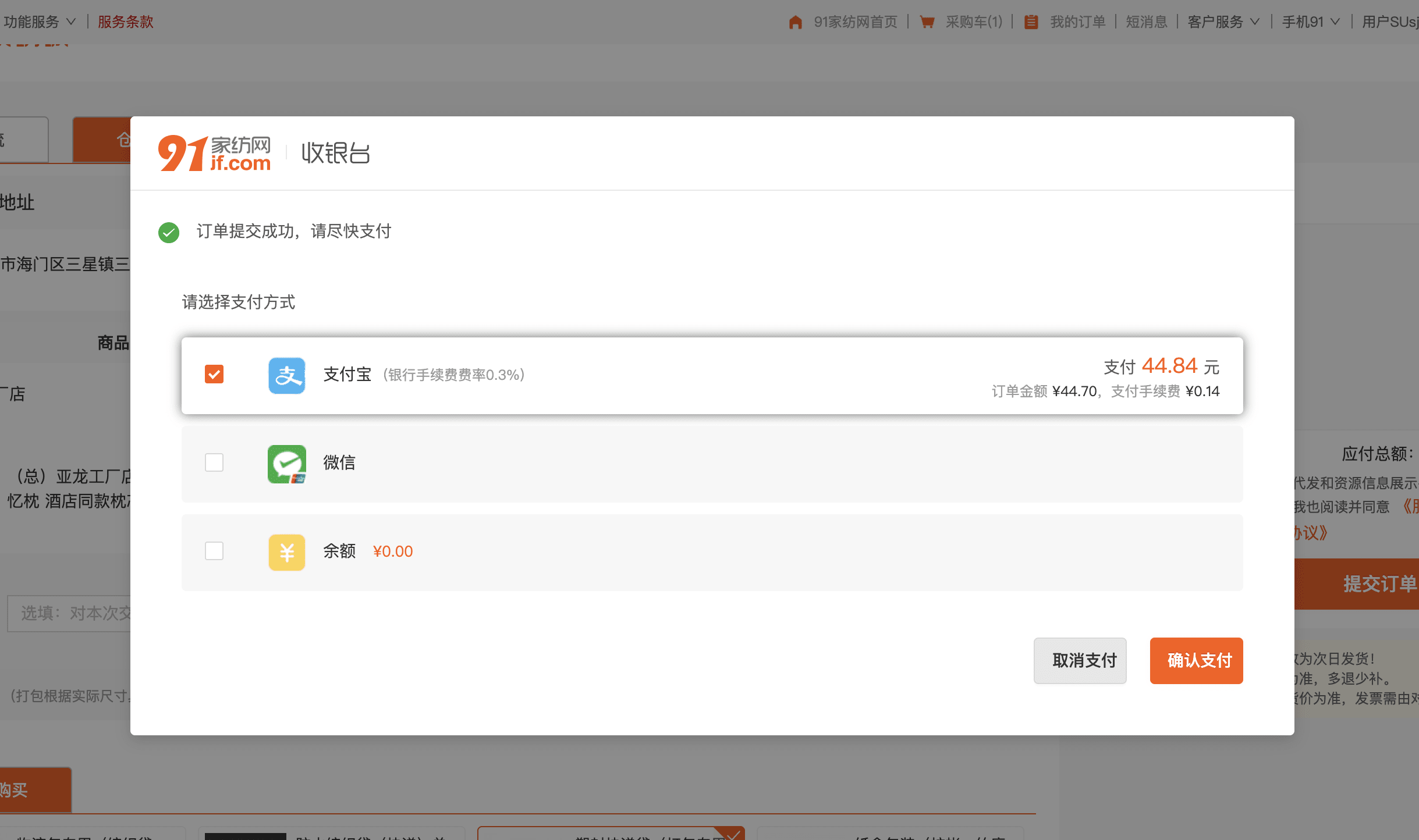
| Payment Processing | Wire transfer, credit card, Trade Assurance | Impossible direct. Capital must route through a domestic procurement proxy or agency framework; disbursed locally via Alipay, WeChat Pay, or domestic corporate transfers |
| Platform Access & Scraping | API, clean UI, English search | Severe asset latency, unoptimized scripts, and extreme Cumulative Layout Shift — automated crawling or manual scraping is frustrating without a local proxy or custom interface layer |
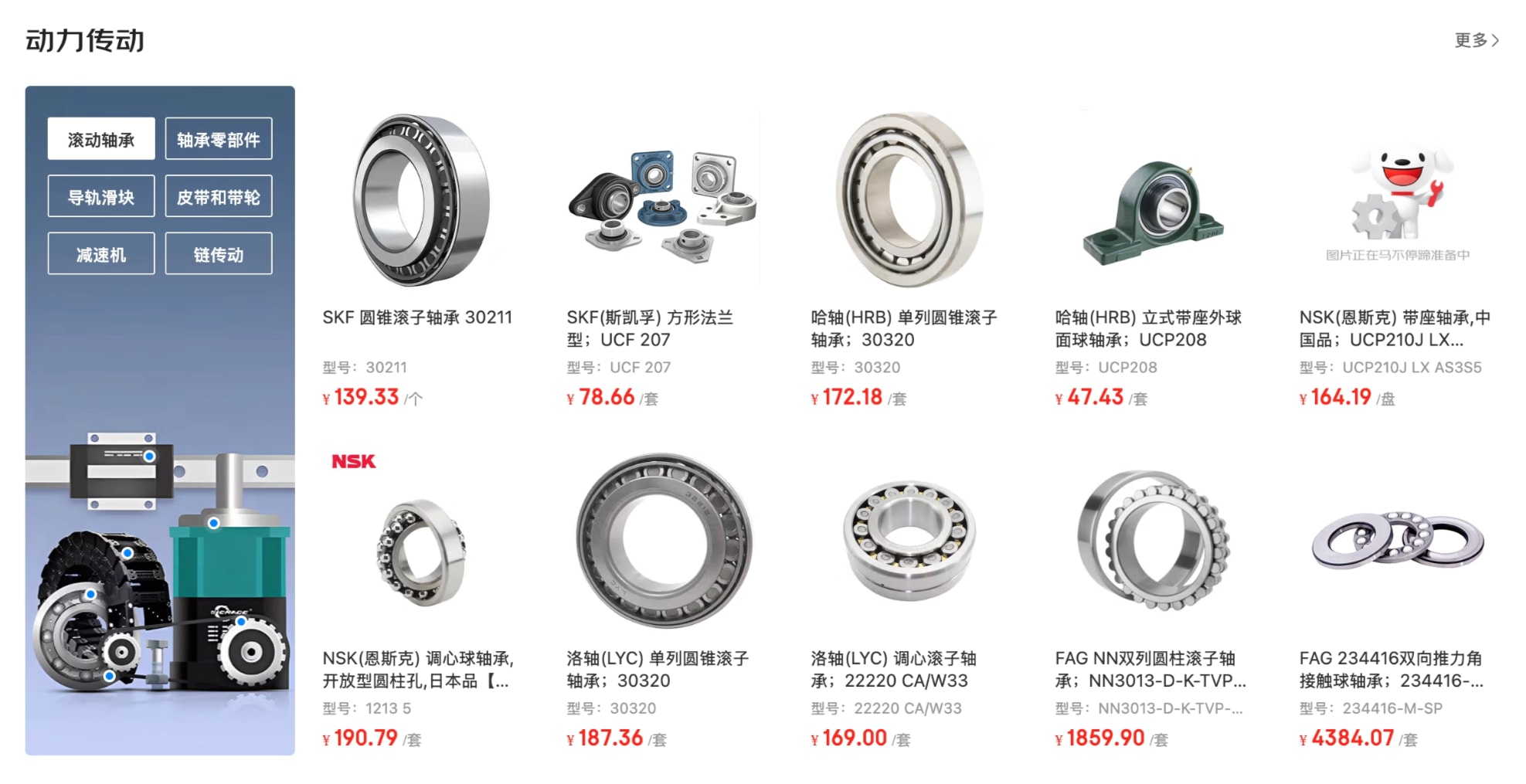
Net Reality Check: After stacking the mandatory agent commission, inland logistics, consolidation, and documentation costs, the true landed cost gap between niche domestic platforms and Alibaba often narrows to 5–12%. The remaining delta is only justified if you need specialized inventory unavailable on mainstream platforms.
Site-by-Site Deep Dive
1. VIPMRO.com — Motorcycles & Industrial MRO Supplies
Category Focus: Industrial maintenance, repair, operations (MRO); motorcycle parts as secondary niche
Background: Launched in 2011, backed by JD.com's MRO procurement division. Holds formal ICP registration and operates under China's regulatory framework for B2B ecommerce.
Credibility Rating: ★★★★☆ (High)
Key Pros:
Key Caveats:
Best For: Industrial MRO buyers with established China supply chains; motorcycle parts buyers working with a local sourcing agent who can bridge the language and logistics gap.
2. YiwuGo.com — Small Commodities
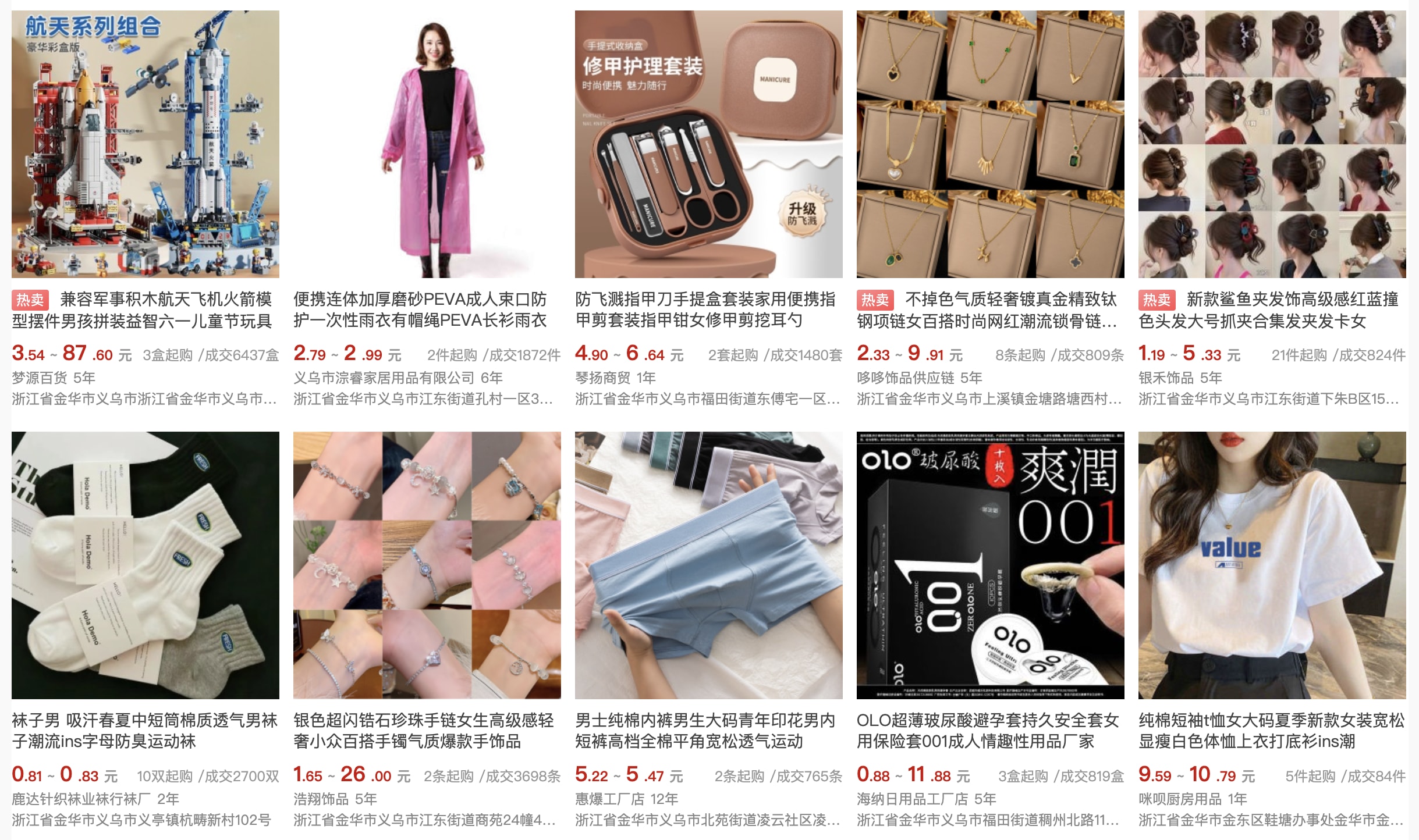
Category Focus: General small commodities, household goods, seasonal items, novelties
Background: Official digital platform of the Yiwu International Trade Market, operated by a state-backed listed company. Maps directly to 75,000+ physical market booths.
Credibility Rating: ★★★★☆ (High)
Key Pros:
Key Caveats:
Best For: Small-commodity bulk buyers who can visit Yiwu in person, or buyers with a trusted agent who can conduct physical booth verification and quality control.
3. VVIC.com — Women's Clothing
Category Focus: Women's apparel, fast fashion, accessories
Background: Guangzhou and Hangzhou apparel wholesale platform founded in 2011, tied to major physical clothing markets including the Thirteen Hongs (十三行) and Hangzhou Sijiqing.
Credibility Rating: ★★★★☆ (High)
Key Pros:
Key Caveats:
Best For: Fast fashion small-batch buyers testing new styles, boutique operators, and dropshippers who prioritize SKU breadth over manufacturing relationships.
4. 91JF.com — Bedding & Home Textiles
Category Focus: Bedding, home textiles, curtain fabrics
Background: Nantong Dieshiqiao home textile vertical platform, launched in 2014 with state-owned venture capital backing. Serves China's largest home textile production cluster.
Credibility Rating: ★★★☆☆ (Medium-High)
Key Pros:
Key Caveats:
Best For: Home textile buyers with an established local agent in Nantong who can manage supplier relationships, quality inspection, and payment escrow independently.
5. Bao66.cn — Bags & Luggage
Category Focus: Handbags, luggage, backpacks, travel accessories
Background: Niche domestic bag wholesale platform sourcing from Yiwu and Guangzhou manufacturing clusters. Limited public corporate information available.
Credibility Rating: ★★★☆☆ (Medium)
Key Pros:
Key Caveats:
Best For: Experienced buyers with independent supplier vetting capabilities, existing freight forwarder relationships, and the ability to conduct factory audits or video inspections.
6. Geshow.com — Makeup & Beauty Goods
Category Focus: Cosmetics, skincare, beauty tools
Background: Niche domestic beauty wholesale platform with minimal mainstream industry coverage or third-party documentation.
Credibility Rating: ★★☆☆☆ (Higher Risk — Limited Verifiable Data)
Key Pros:
Key Caveats:
Best For: Not recommended for first-time international buyers. If sourcing beauty products from China, consider established alternatives with documented compliance support.
7. GongBangBang.com — Industrial Equipment
Category Focus: Industrial machinery, manufacturing equipment
Background: Niche industrial equipment sourcing platform with very limited publicly verifiable corporate information, registration details, or operational history.
Credibility Rating: ★★☆☆☆ (Higher Risk — Limited Verifiable Data)
Key Pros:
Key Caveats:
Best For: Not recommended for first-time international buyers. For industrial equipment, established platforms with third-party factory audits are strongly preferred.
Tiered Ranking & Recommendations
Tier 1: Recommended (Lowest Relative Risk)
YiwuGo.com | VVIC.com | VIPMRO.com
These platforms have verifiable corporate backing, formal registration, and documented operational histories. Use them if you have basic China sourcing experience or a local agent.
Tier 2: Use With Extreme Caution
Viable only for experienced buyers capable of full independent supplier verification, escrow payment arrangements, and self-managed logistics.
Tier 3: Higher Risk — Avoid for First-Time Buyers
Insufficient verifiable data to recommend. For beauty, use 1688.com with agent support. For industrial equipment, use Made-in-China.com with third-party audit verification.
Non-Negotiable Due Diligence Checklist
Apply this checklist before placing any order, regardless of platform tier:
Lower-Risk Alternatives for Reference
| Category | Niche Platform | Safer Alternative | Why |
|---|---|---|---|
| General wholesale | — | Alibaba.com | Global-facing, Trade Assurance escrow, English support |
| General wholesale (domestic) | — | 1688.com | Lower prices than Alibaba; requires sourcing agent |
| Industrial equipment | GongBangBang.com | Made-in-China.com | Third-party factory audits, international dispute resolution |
| Beauty/cosmetics | Geshow.com | 1688.com Beauty Category | Larger supplier base, more documented transactions |
| Apparel | VVIC.com | Alibaba Apparel | Stronger buyer protection, easier communication |
Bottom line: Niche sites can unlock better pricing and specialized inventory, but mainstream platforms offer far stronger buyer protection for international importers. Match your platform choice to your risk tolerance and operational capacity.
Final Verdict
Niche Chinese sourcing sites are not scams by default—but they are not designed for you. They are domestic marketplaces that happen to be accessible internationally. That distinction matters because it shapes every risk vector: language, payment, logistics, dispute resolution, and compliance.
The core takeaway: Match the platform's risk level to your experience level. A Tier 1 platform with a Tier 3 buyer (no agent, no Mandarin, no logistics partner) is still a high-risk proposition. Conversely, a Tier 2 platform with a Tier 1 buyer (experienced, agent-backed, escrow-protected) can be a viable sourcing channel.
Never skip due diligence. Not on the highest-rated platform. Not on the most "verified" seller. The platform guarantees the marketplace exists. It does not guarantee the seller will deliver.
FAQ
Q: Are these sites scams?
No—the platforms themselves are legitimate business entities. However, individual sellers vary dramatically in reliability. Platform legitimacy and seller reliability are two separate metrics.
Q: Do I need a sourcing agent to use these platforms?
For Tier 2 and Tier 3 platforms, yes—an agent is effectively mandatory. For Tier 1 platforms, an agent is strongly recommended unless you read Mandarin fluently and have export logistics experience. CD Global Sourcing provides the required infrastructure: financial escrow, payment disbursement via domestic Chinese gateways, physical supplier verification, and export documentation that domestic sellers refuse to handle.
Q: What is the safest payment method?
Direct international payment to domestic sellers is structurally impossible. The safest operational model is routing capital through a professional sourcing agency framework that holds funds in escrow and disburses locally via Alipay, WeChat Pay, or domestic corporate transfers. Never attempt a direct wire transfer to an individual seller's personal account.
Q: Can I get the same prices as domestic Chinese buyers?
Rarely. International buyers often face price premiums due to export documentation, packaging, and perceived transaction complexity. Your goal should be "better than Alibaba," not "same as 1688 domestic."
Have you used any of these platforms? Share your experience—good or bad—in the comments below. Real buyer data helps the entire community make better decisions.